
Concepts, Insights, & Opinions
Welcome! We're passionate about our craft and dedicated to maturing the practice of Spatial Experience Design. By sharing lessons from our journey and opinions on industry trends, we hope to inspire a sensory informed design practice rooted in human behaviors.
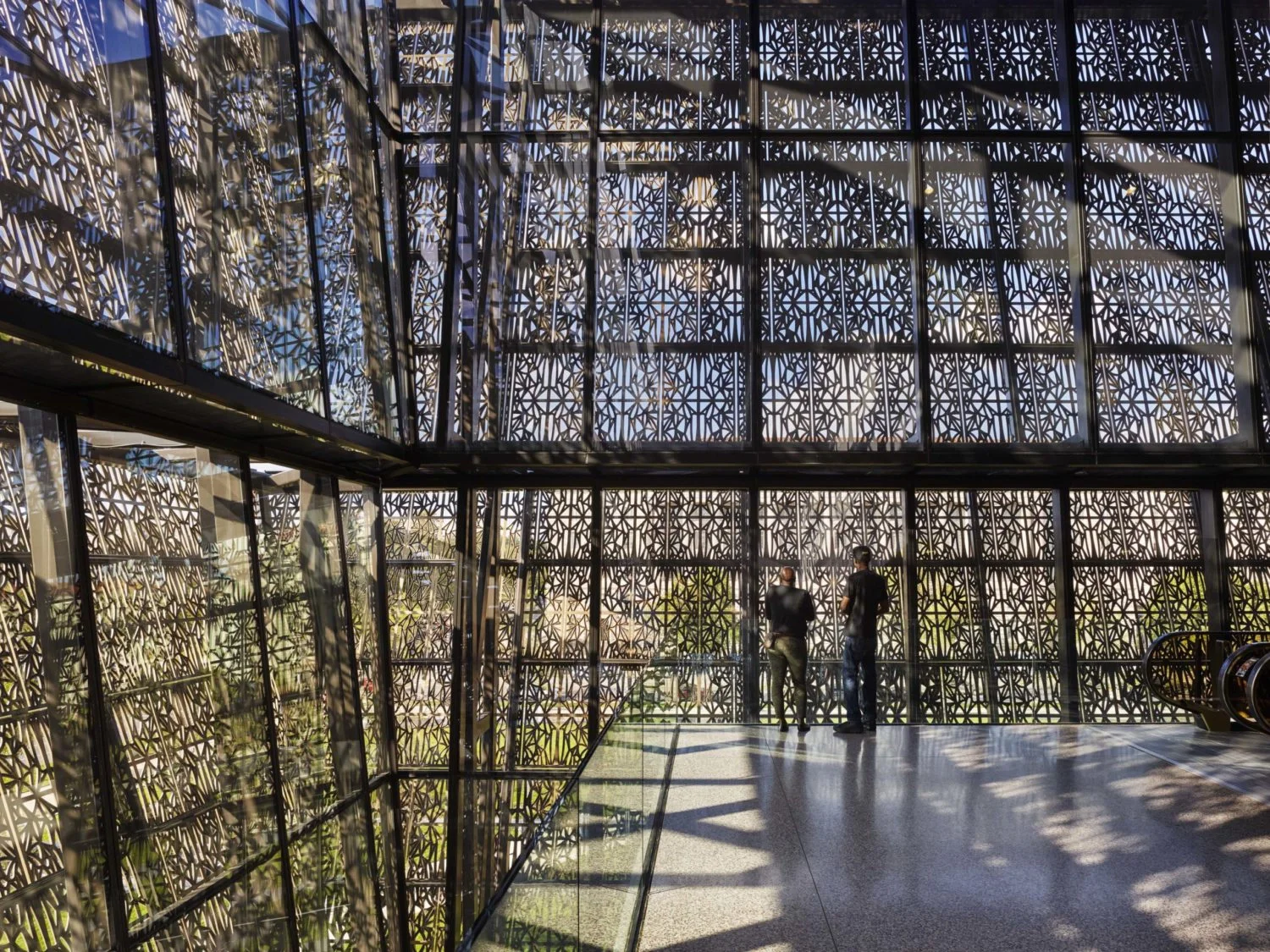
Beyond Symbolism: When Public Values Become Spatial Experience
Every civic project has the opportunity to become more than a destination; it can become a shared ritual that strengthens how people understand one another and the places they inhabit.
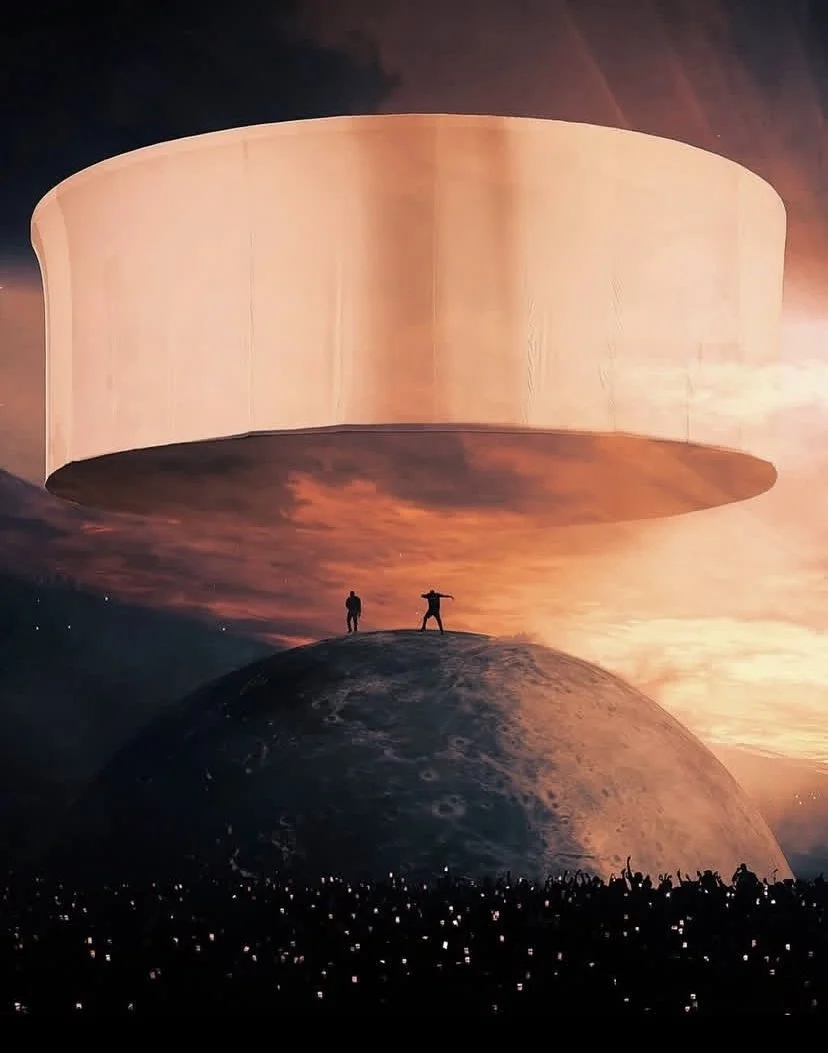
The Architecture of Performance: Scenic Worldbuilding
The strongest contemporary productions are no longer conceived as stages waiting to be activated by performers. They are complete worlds with their own geography, atmosphere, material language, and internal logic.
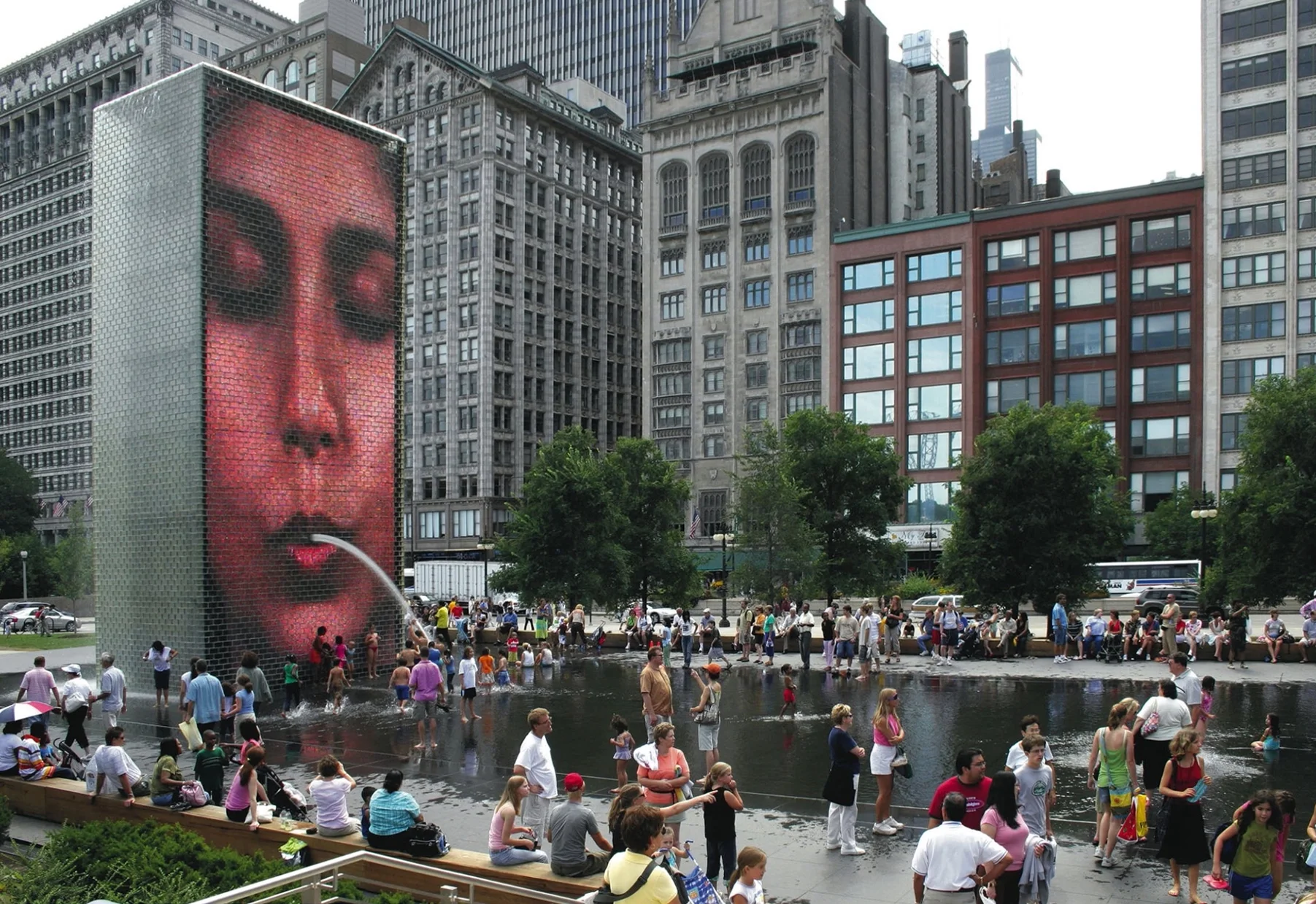
Behind IMO’s Tagline: Purposefully Designed, Artfully Realized
At the heart of the Immersive Material Office is a paradox we embrace daily: the tension between the logic of Design and the intuition of Art. When a space is designed for a reason and realized with an artist’s eye, it acquires a quality that is difficult to quantify but impossible to ignore.

The Architect, the Bee, or the Machine?
Contrary to popular interpretations, Architect or Bee? is not an argument against technology. It is an argument against systems that diminish human participation. Cooley repeatedly emphasizes that tools should enhance human capability rather than extract and centralize it.
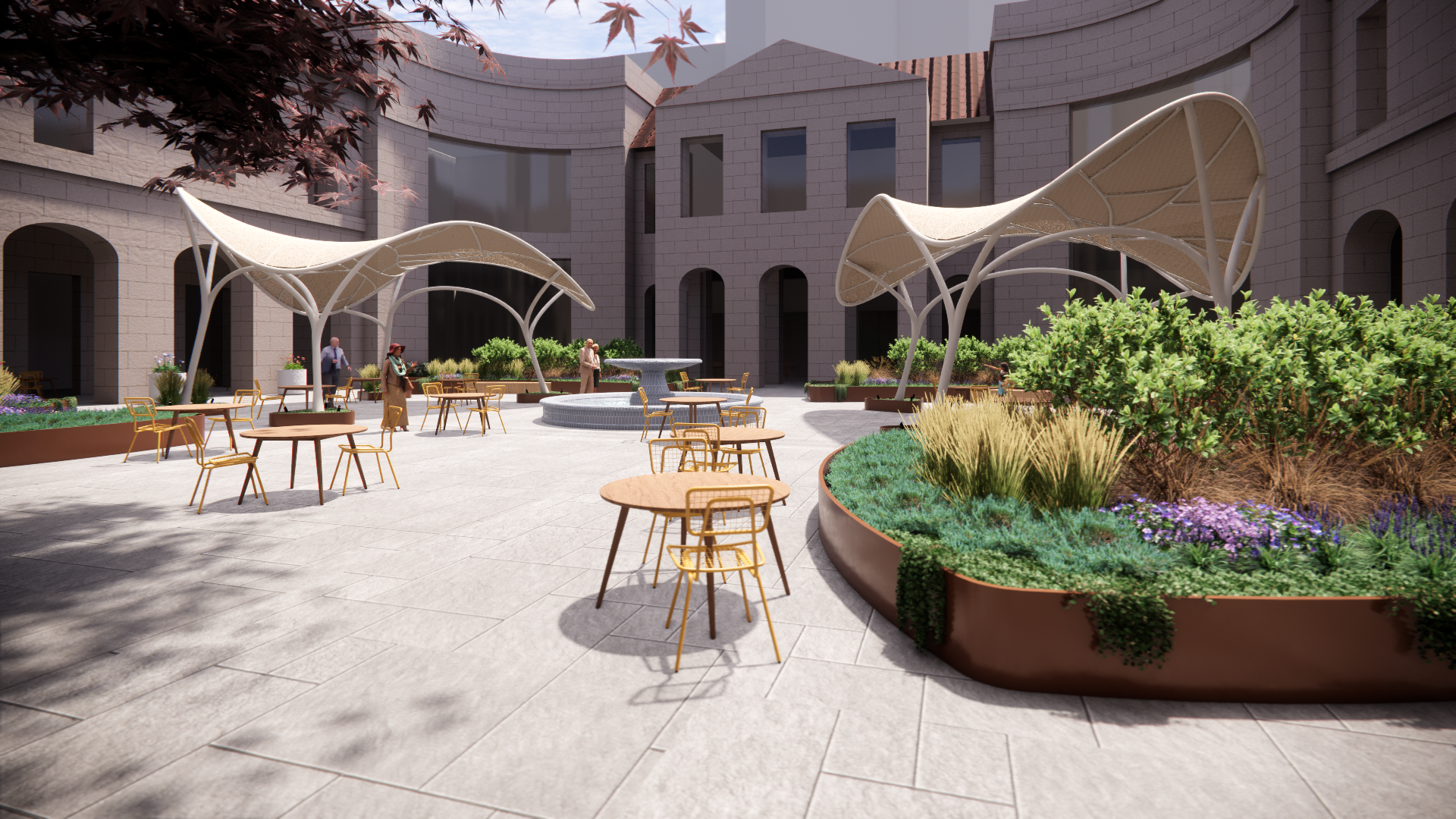
IMO Awarded Nashville Public Library Courtyard Project
The best contemporary libraries do not merely contain knowledge; they choreograph encounters with it. They use light, material, acoustics, scale, and circulation to slow people down, invite wandering, encourage reflection.
From Infrastructure to Atmosphere: Hardware Is Only Half the Experience
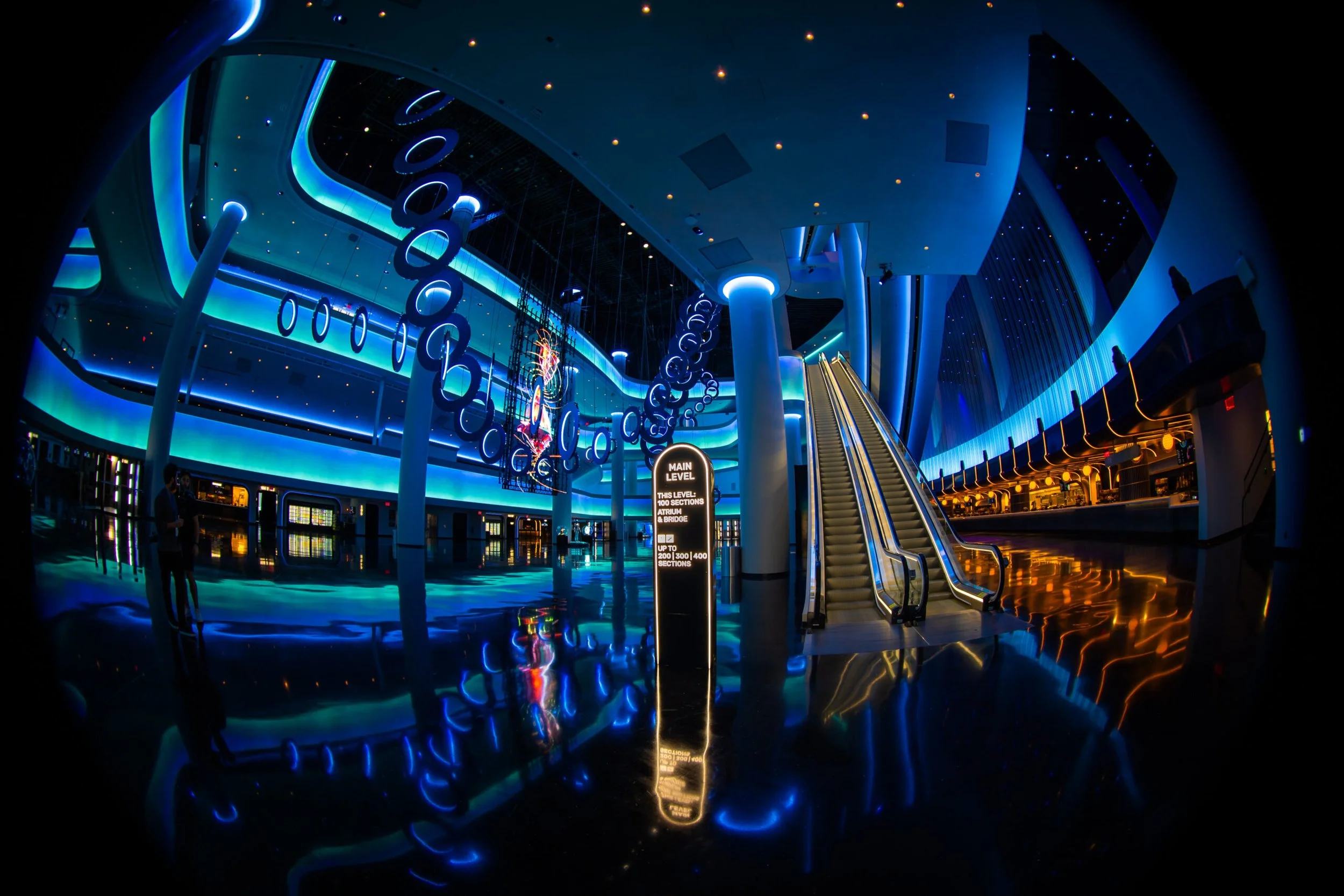
Exceptional hardware does not automatically create exceptional experiences. A technically flawless system can still feel static, forgettable, or underutilized if there is no compelling reason for people to engage with it. The most successful projects ensure that technology serves a larger experiential purpose.
Currents: A Public Art Proposal for Camel’s Back Park
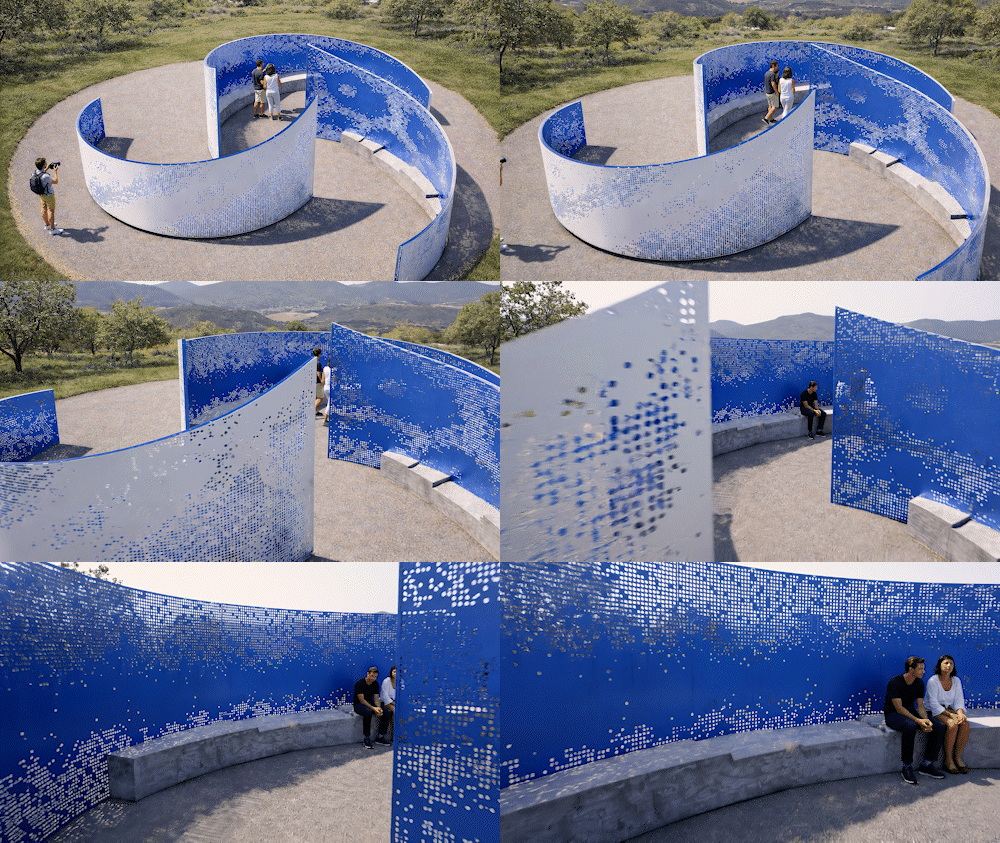
Currents, our proposal for the Water Conservation & Resiliency Public Art Project, where IMO was selected as a finalist and runner-up. The concept emerged from a simple observation: water and communities often follow the same logic of movement.
Site as Medium: Revealing the Latent Qualities of Place
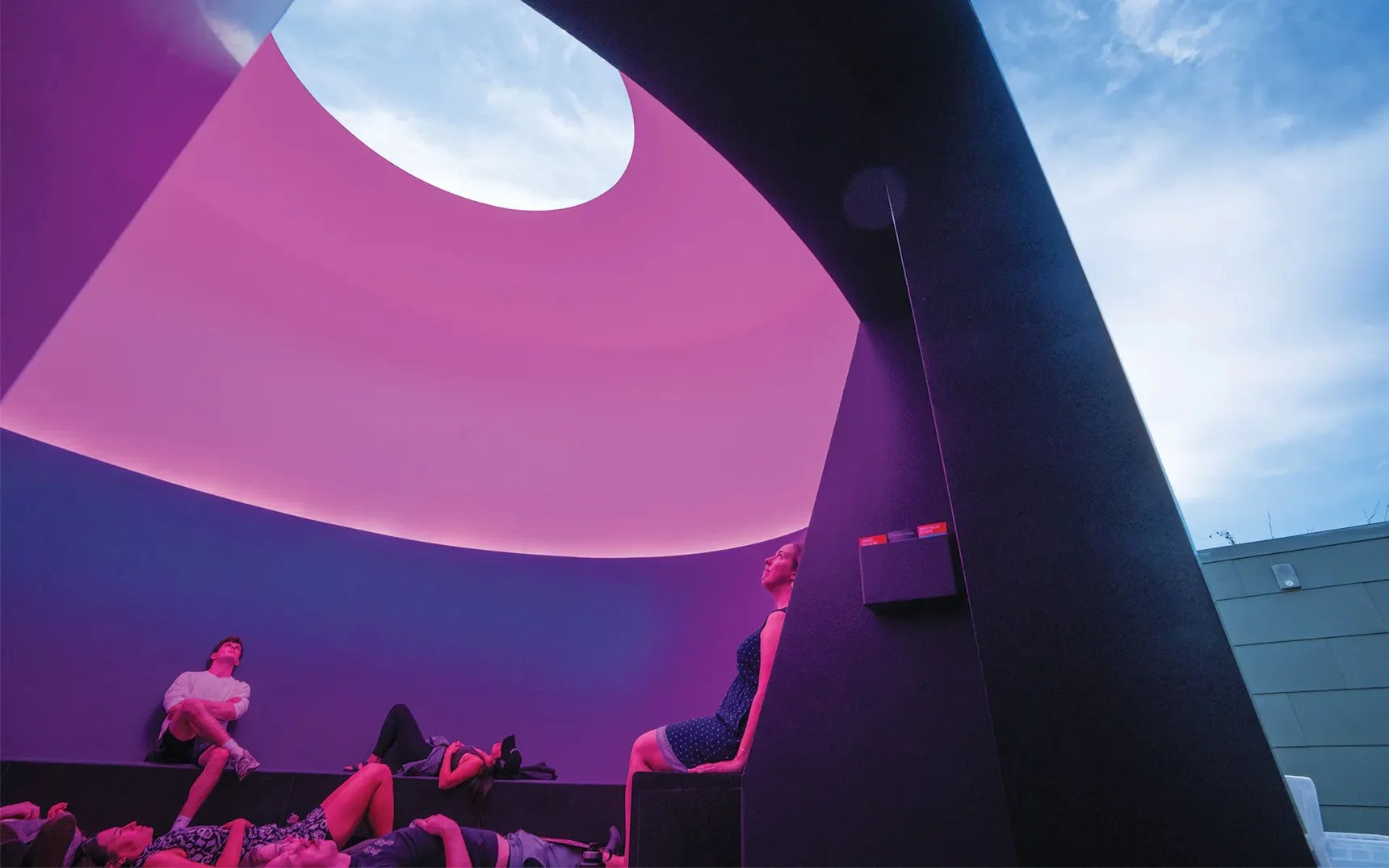
The most enduring spatial experiences are not driven by novelty alone. They emerge from relationships: between architecture and atmosphere, material and light, body and movement, permanence and participation.
The New Spatial Standard: 5 Dimensions of Craft
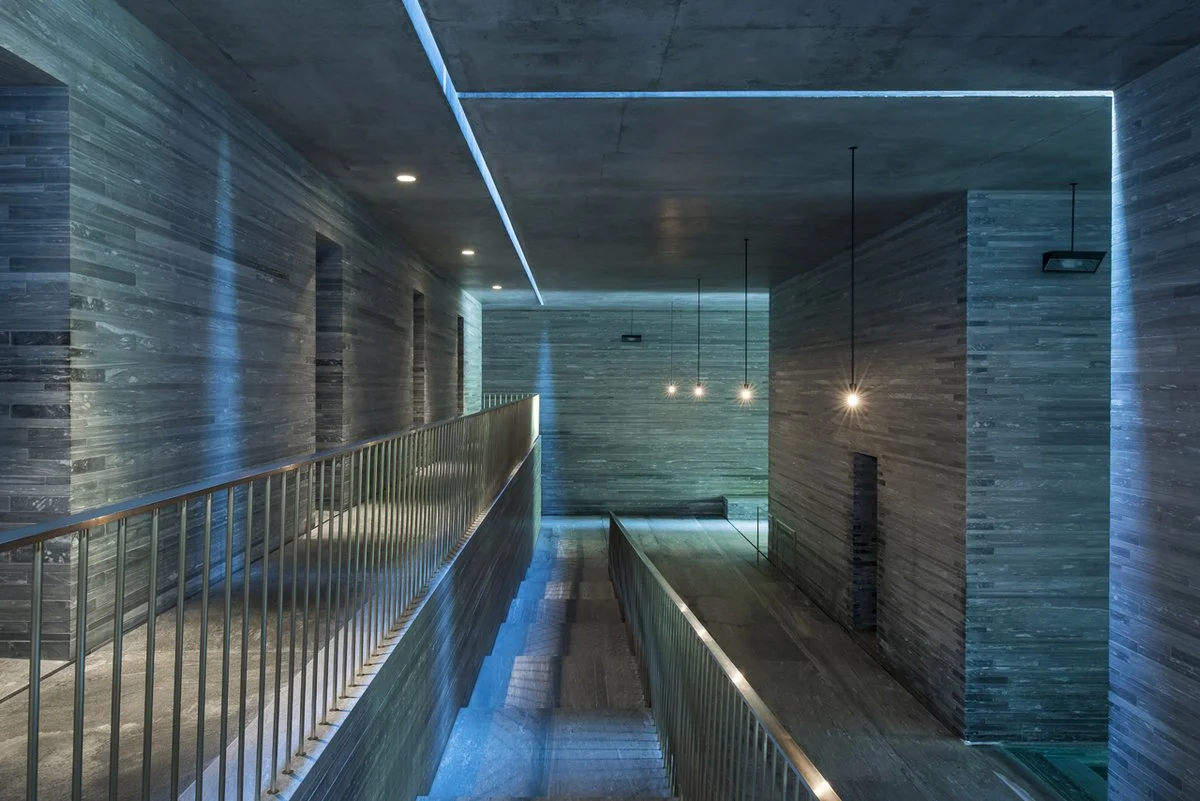
As we move through an era of hyper-integrated, multi-sensory environments, we believe craft isn’t just a finishing touch. It’s the connective tissue between a physical site and a person’s intuition.
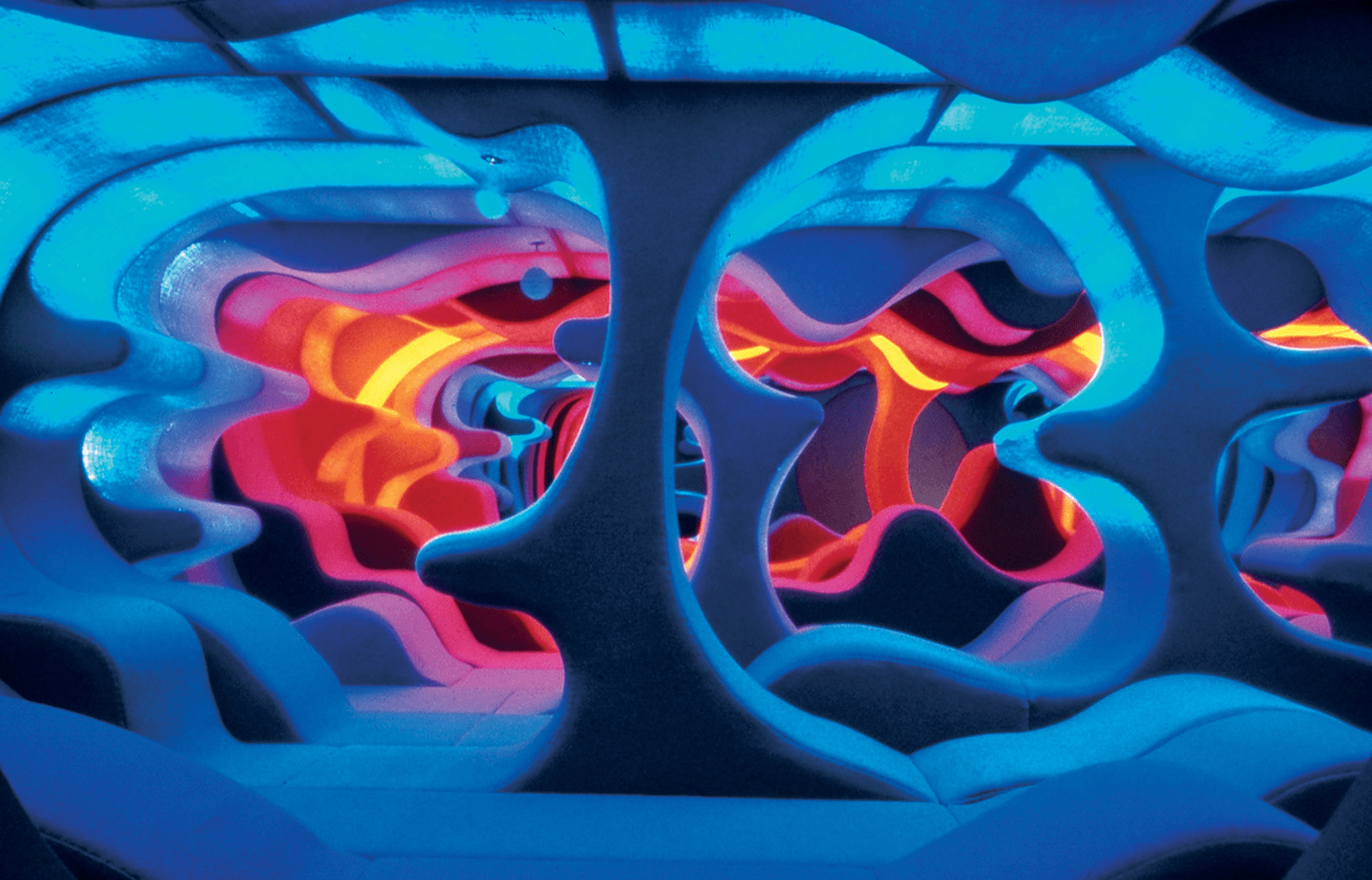
The Return of Total Environments: Immersive Architecture
Total Environments embraced theatricality, identity, color, graphic intensity, spatial drama, and perceptual manipulation without embarrassment. Contemporary design culture often treats these qualities with suspicion…but increasingly, people are exhausted by frictionless neutrality.
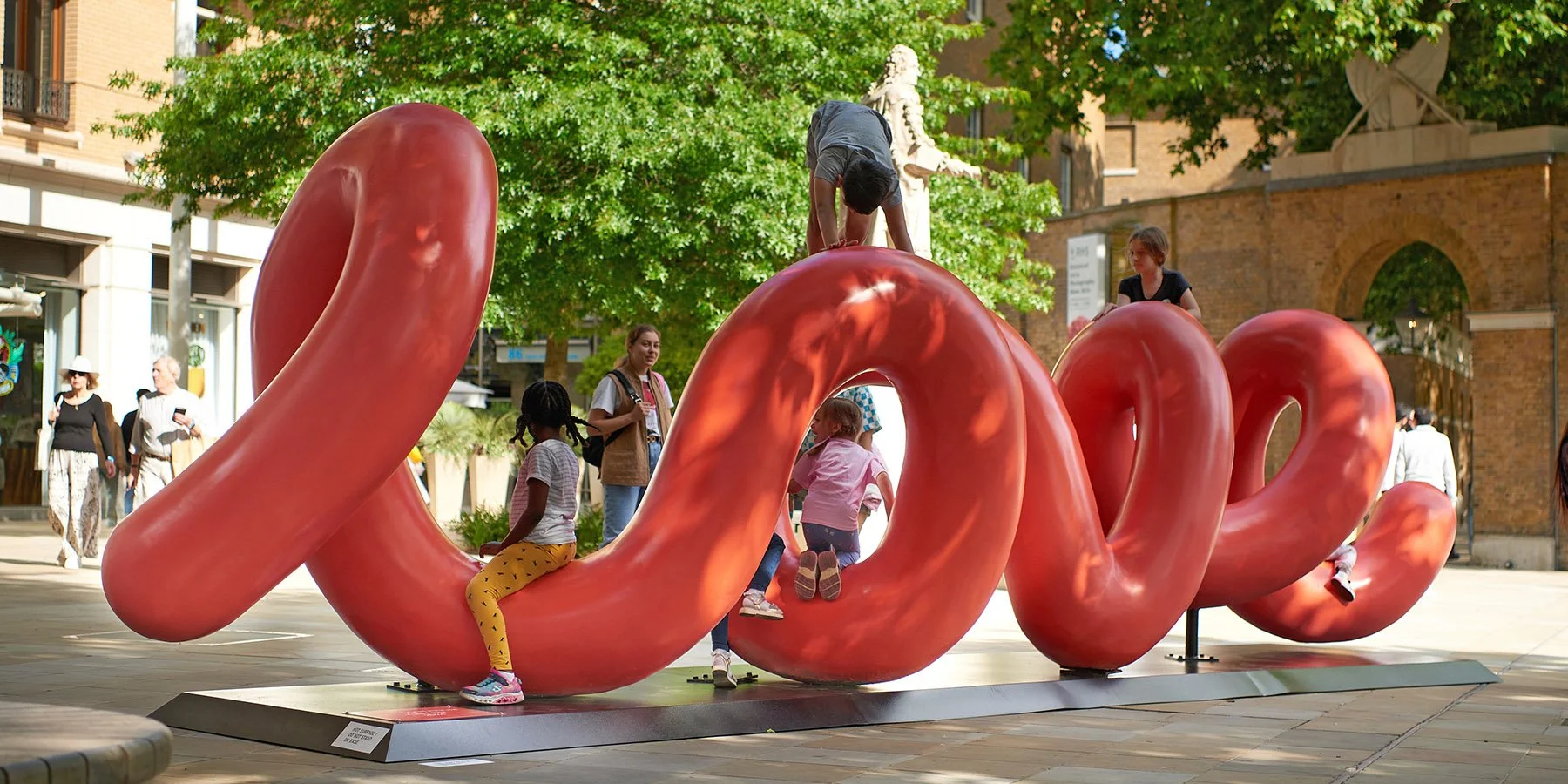
From Place to Presence: Designing Spaces for Emotional Engagement
A space can be visually impressive and still fail to hold attention. It can photograph well and still feel hollow in person. Emotional engagement requires more than spectacle. It requires presence: the feeling that someone is fully aware of where they are, what they are doing, and how the environment is affecting them.
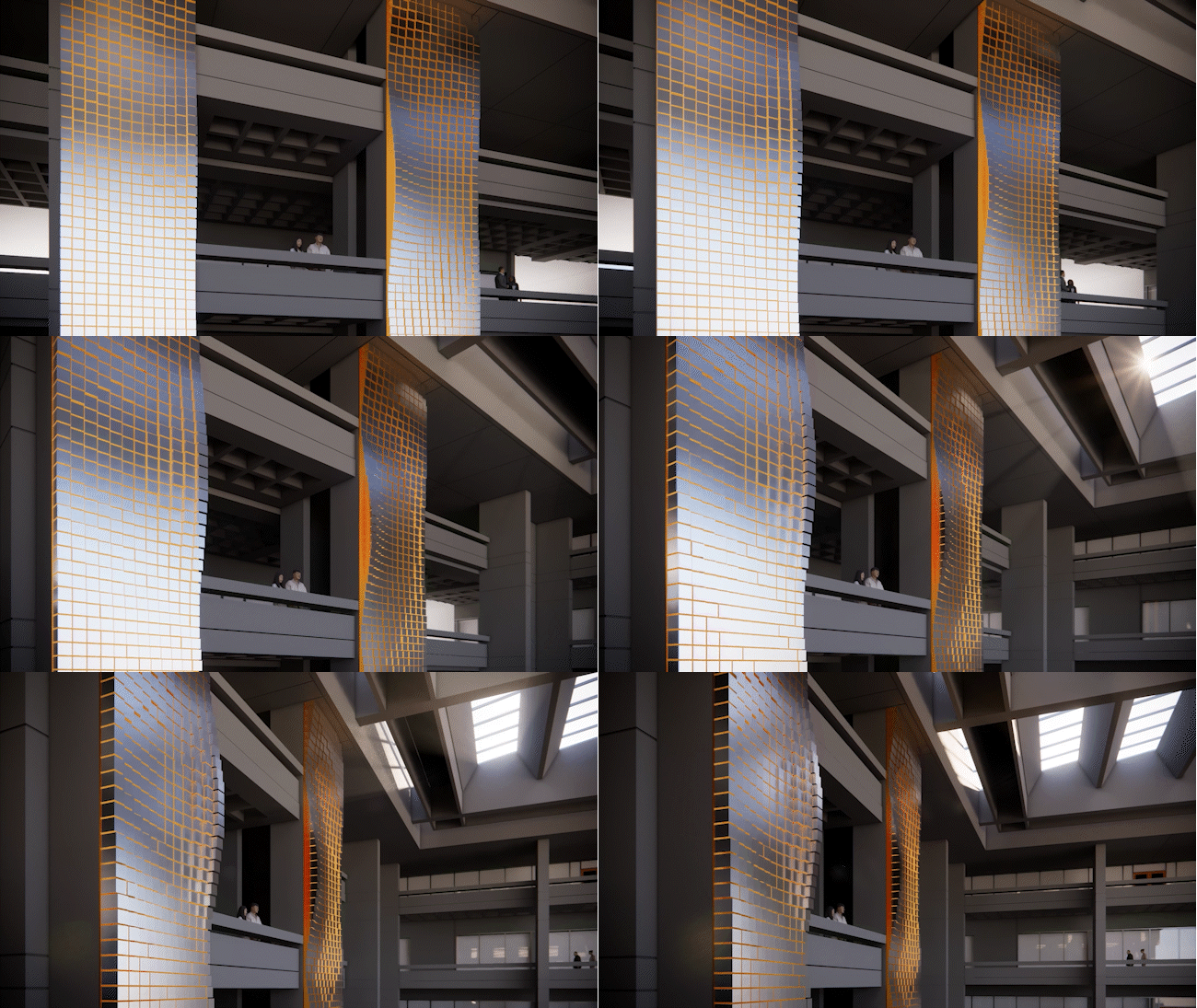
Resonance: Public Art Through Perspective
Resonance was designed specifically for Salem Civic Center, the underlying principles extend beyond a single site. The relationship between movement and perception, individual and collective experience, permanence and participation, are questions shared by civic environments everywhere. If you’re exploring ways to activate a civic, cultural, or atrium/lobby spaces, we welcome the conversation.
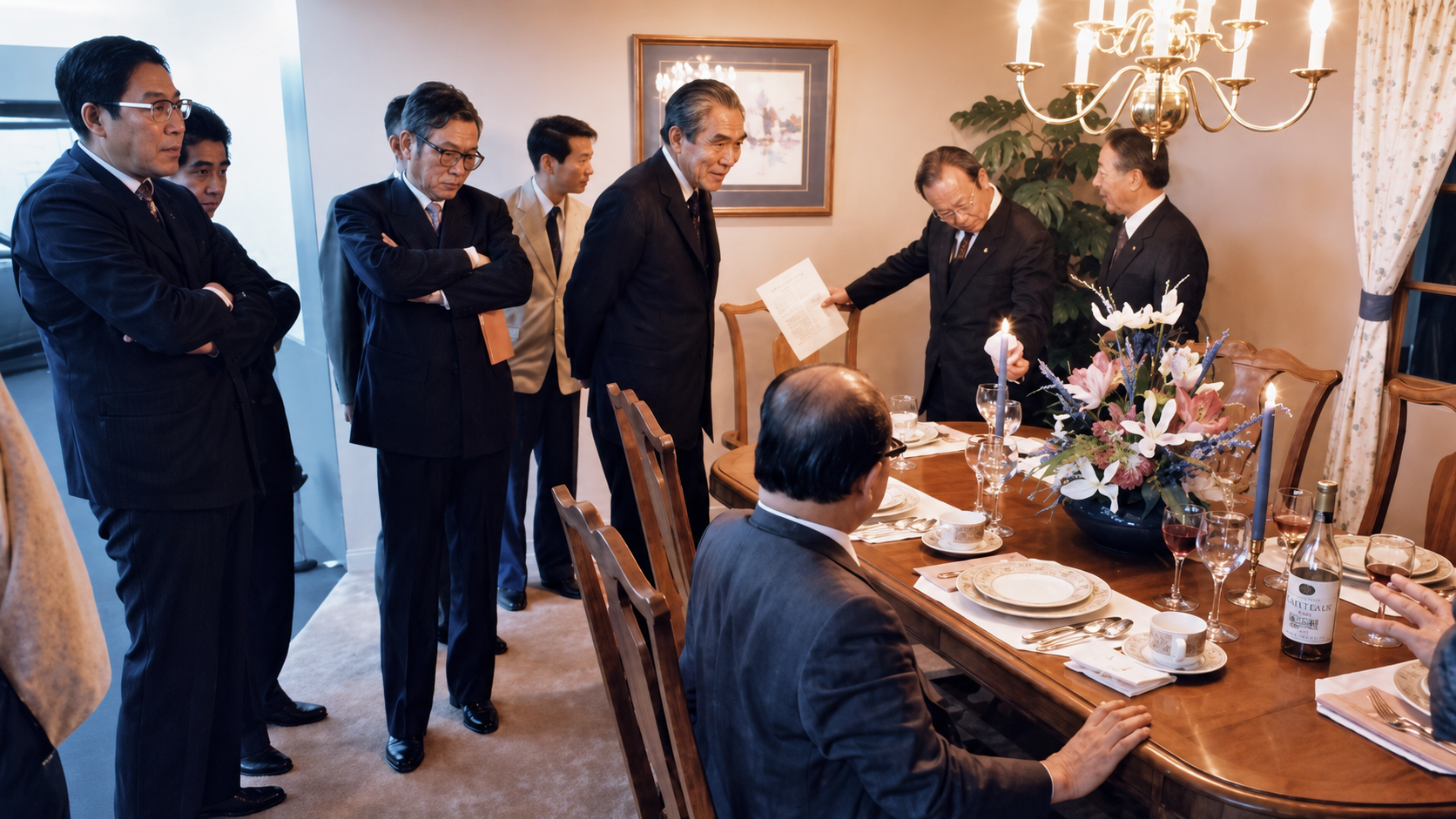
Show, Don’t Tell: The Toyota Dining Room Lesson
Experiential installations are reshaping how brands communicate and how leaders make decisions. By turning abstract ideas into physical environments, immersive design creates deeper understanding and lasting behavioral change.
The Cost-Benefit Ratio: Towards Hybrid Experiences
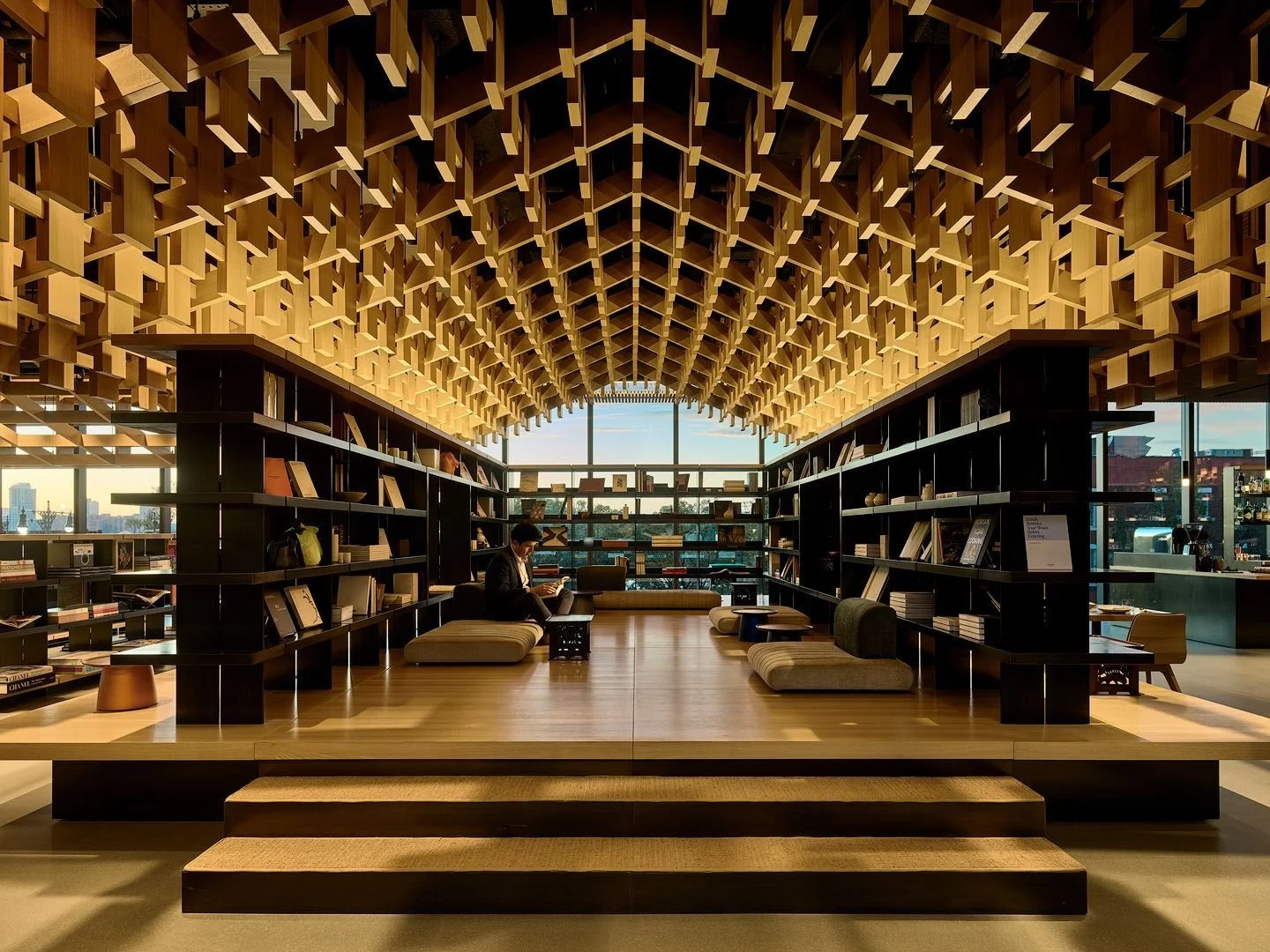
Why do businesses often invest more heavily in digital products than physical environments? The most successful contemporary brands are integrating architecture, technology, media, and spatial design into connected experience ecosystems that build long-term cultural and emotional value.
Designing for Silence: How Sound Shapes Behavior
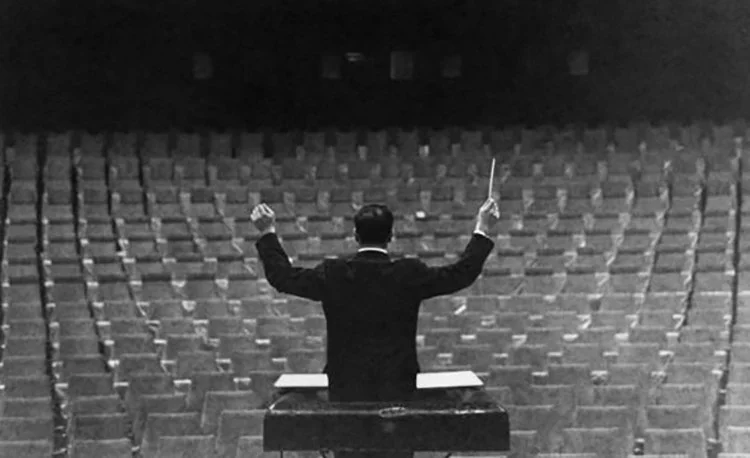
Sound has quietly become one of the most influential architectural materials in contemporary environments, yet unlike light, form, circulation, or material expression, acoustics are rarely treated as a primary design driver.
From Space to Place: The Art and Strategy of Placemaking
What makes a space memorable? The technical answer is layered. Scale, proportion, light, sound, and texture all matter. But on a human level, memory is emotional. People remember places that made them feel something—wonder, curiosity, belonging, even surprise.

Thomas Wilfred: “Godfather” of Modern Activations
Before experiential design had a name, Thomas Wilfred was using light to move people. This article traces his analog innovations and their lasting influence on today’s immersive marketing activations.
When Cities Begin to Behave Like Ecosystems
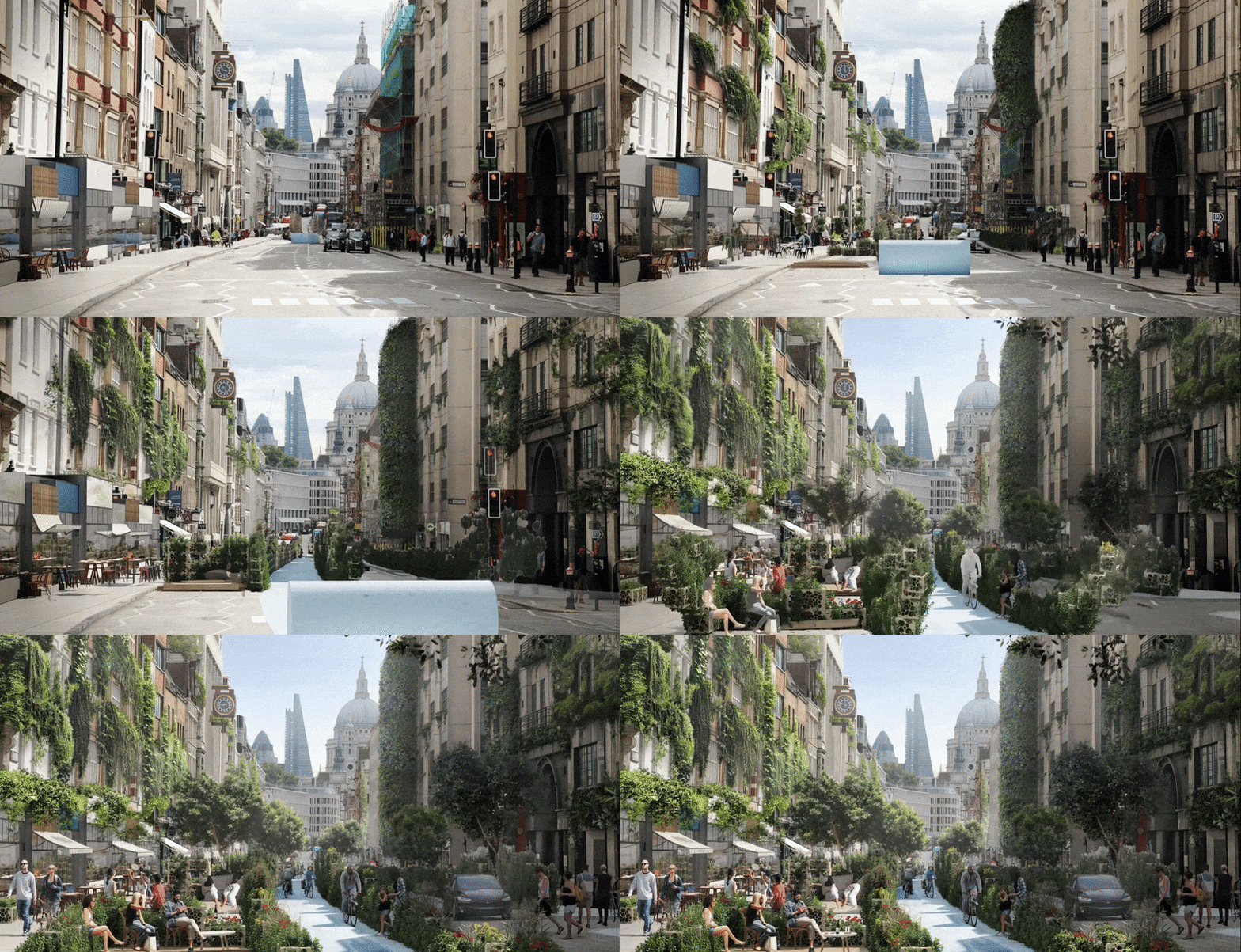
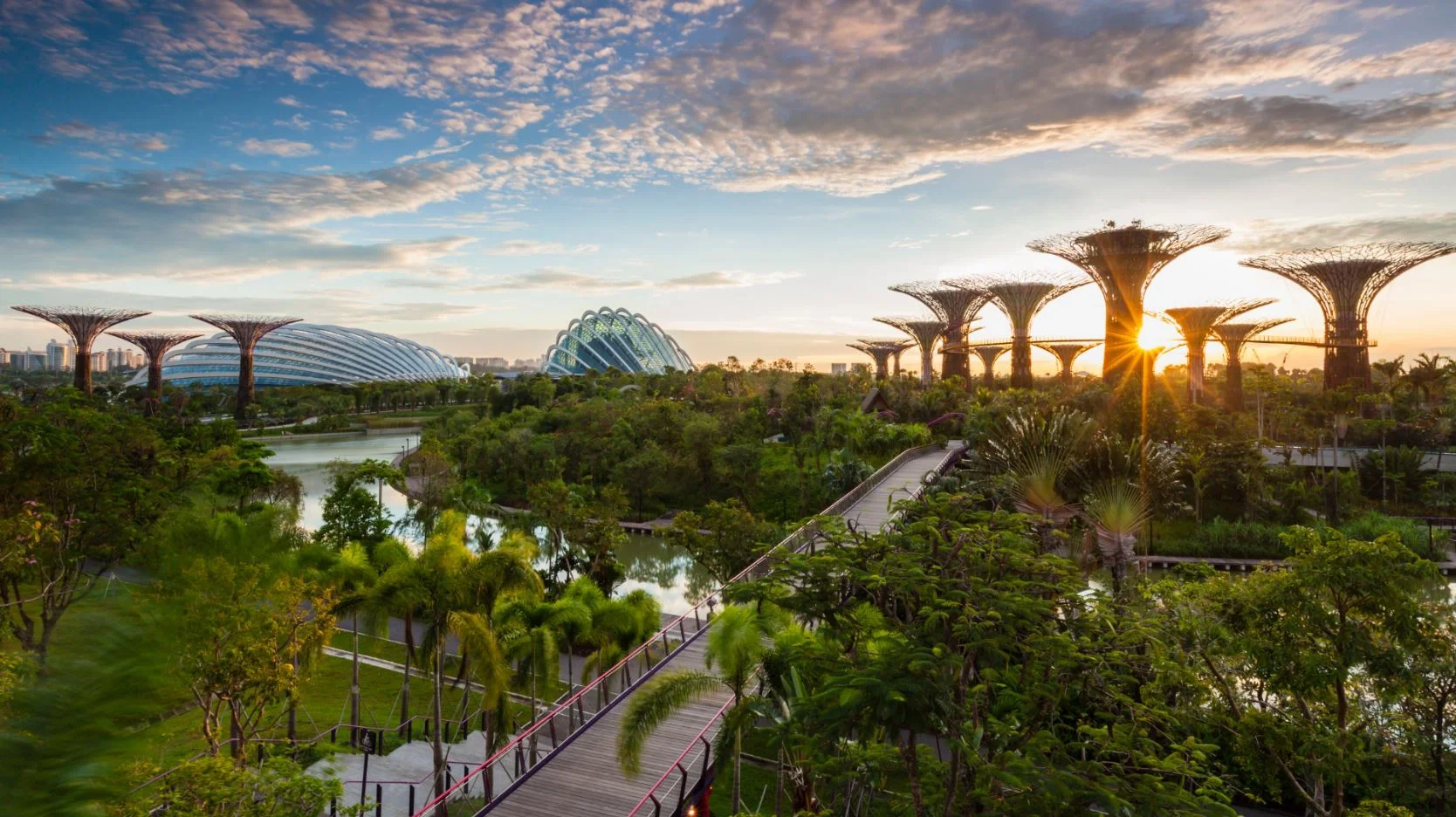
For most of modern history the built environment has behaved like a machine. But a different model of city is beginning to emerge. Architects, urbanists, ecologists, and designers are increasingly asking a radically different question: What if cities behaved like living systems?
