
From Space to Place: The Art and Strategy of Placemaking
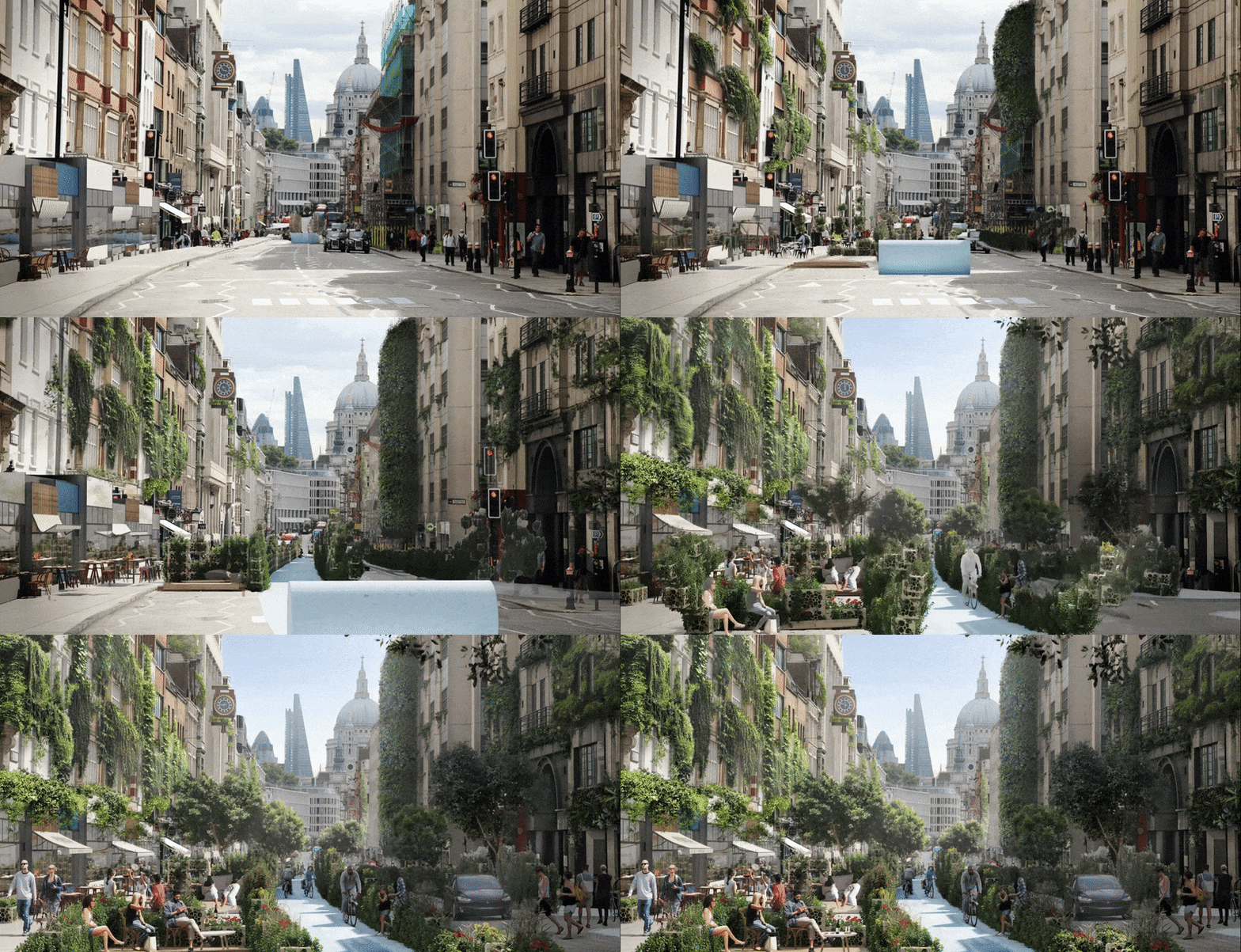
Cities are full of spaces. Very few are places. That difference—the movement from space to place—is where meaningful design begins.
Placemaking is both an artistic philosophy and a strategic tool. It’s the process of transforming static environments into living experiences that people remember, return to, and share. Whether we’re working on an architectural facade, a museum courtyard, or a brand pavilion, our work sits at the intersection of art, architecture, storytelling, and material experimentation.
We don’t design for passive observation. We design for participation—for the moments when people feel connected to the environment around them and to each other.
The Meaning of Placemaking
Placemaking often begins with a simple question: What makes a space memorable?
The technical answer is layered. Scale, proportion, light, sound, and texture all matter. But on a human level, memory is emotional. People remember places that made them feel something—wonder, curiosity, belonging, even surprise.
Placemaking means reimagining environments as living platforms for interaction, culture, and identity. A plaza can become a stage for community life; a lobby transforms into a narrative about a brand or institution’s values; a courtyard evolves into a destination that defines an entire neighborhood.
Every element within a project—materials, structure, and spatial rhythm—tells part of a story. We see materials not as surfaces to decorate, but as languages that speak through touch, reflection, shadow, and sound. In that way, placemaking becomes both a technical and emotional practice: an art form rooted in human psychology and sensory design.
The Human Connection to Place
Why does placemaking matter so deeply to people? Because humans are wired for meaning in the spaces we move through. When an environment carries layers of story, texture, and intention, the human body naturally responds. We slow down. We orient ourselves. We explore. We linger just a little longer than we meant to.
This is what we call sensory invitation—the idea that a space can draw you in through curiosity and comfort. A courtyard that shifts its light throughout the day, a wall that reacts to movement or sound, a carefully designed sightline that reveals a sculpture as you turn a corner—all of these create moments of discovery.
Those moments are powerful because they transform users into participants. What was once just architecture becomes an experience.
And in a world oversaturated with digital content, those experiences—tactile, real, and rooted in physical presence—are becoming increasingly valuable. The brands and institutions that understand this are no longer asking how to fill space. They’re asking how to create connection.
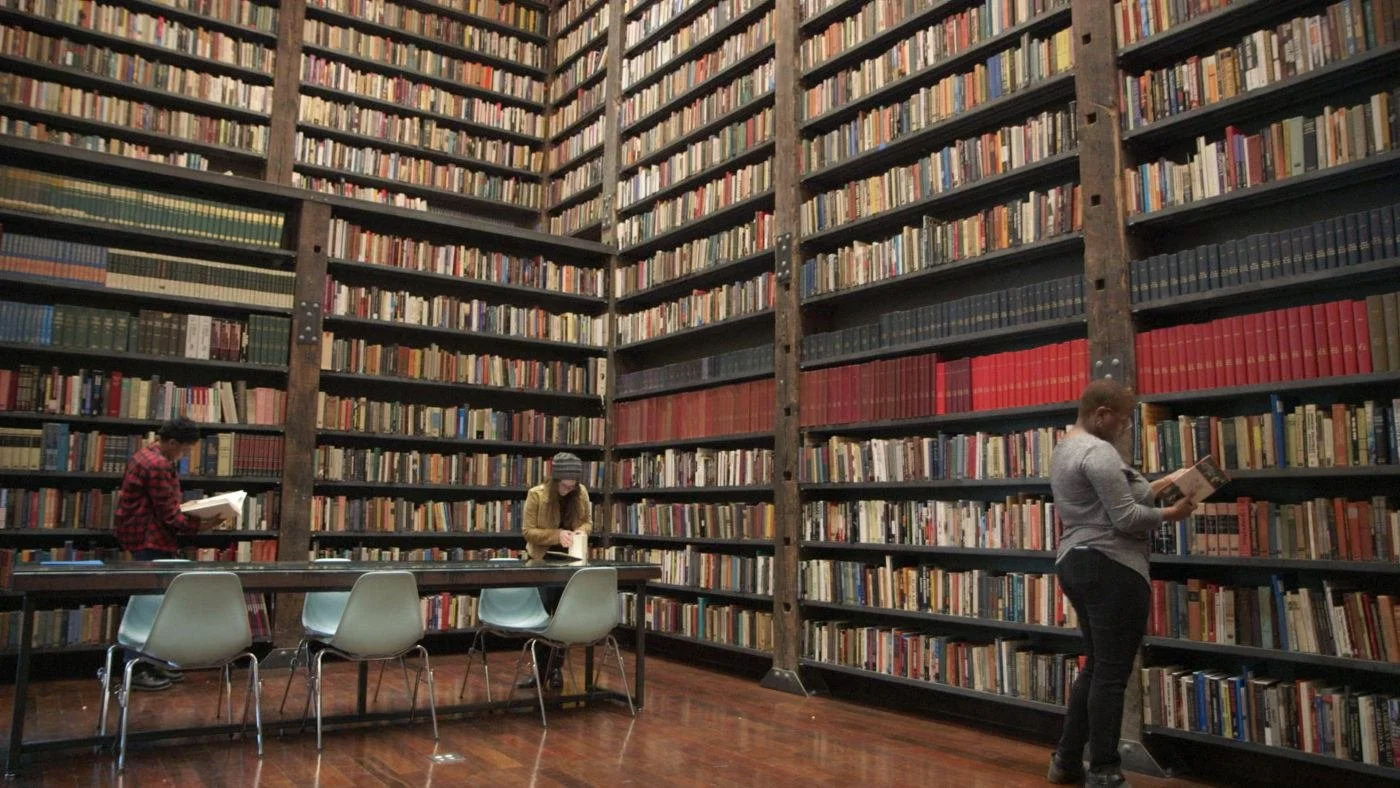
Theaster Gates’ Stony Island Arts Bank project in Chicago
Placemaking as Strategy
The beauty of placemaking lies in its measurable impact. While rooted in art and architecture, it is also a strategic approach that creates tangible results for clients across multiple sectors.
For developers, placemaking transforms underutilized spaces into destinations that attract visitors and add long-term value. For brands, it expresses identity in a way that audiences can touch and inhabit. For cultural institutions, it transforms programs and exhibitions into immersive experiences that drive engagement. And for hospitality and retail environments, it shapes emotion and atmosphere in ways that directly influence dwell time, repeat visits, and customer loyalty.
Consider a few examples:
A hotel courtyard that doubles as an artistic light installation becomes a recognizable gathering point, both physically and on social media.
A corporate campus that incorporates interactive sculpture and sensory landscaping becomes a place employees are proud to show visitors—a space that supports creative culture and well-being.
A public plaza that merges architectural surfaces with responsive lighting turns into a neighborhood landmark, engaging visitors at every hour of the day.
In each case, the transformation is both measurable and cultural. Dwell times rise. Media coverage grows. Community participation increases. But so does something less quantifiable: the feeling that a place matters.
The IMO Approach: Art, Architecture, and Immersion
We approach every project as both an artistic challenge and a systems problem. How do form, light, and sound work together to create emotion? How does a building communicate its identity before anyone steps inside? What combination of material texture, pattern, and motion can express a brand without relying on words or signage?
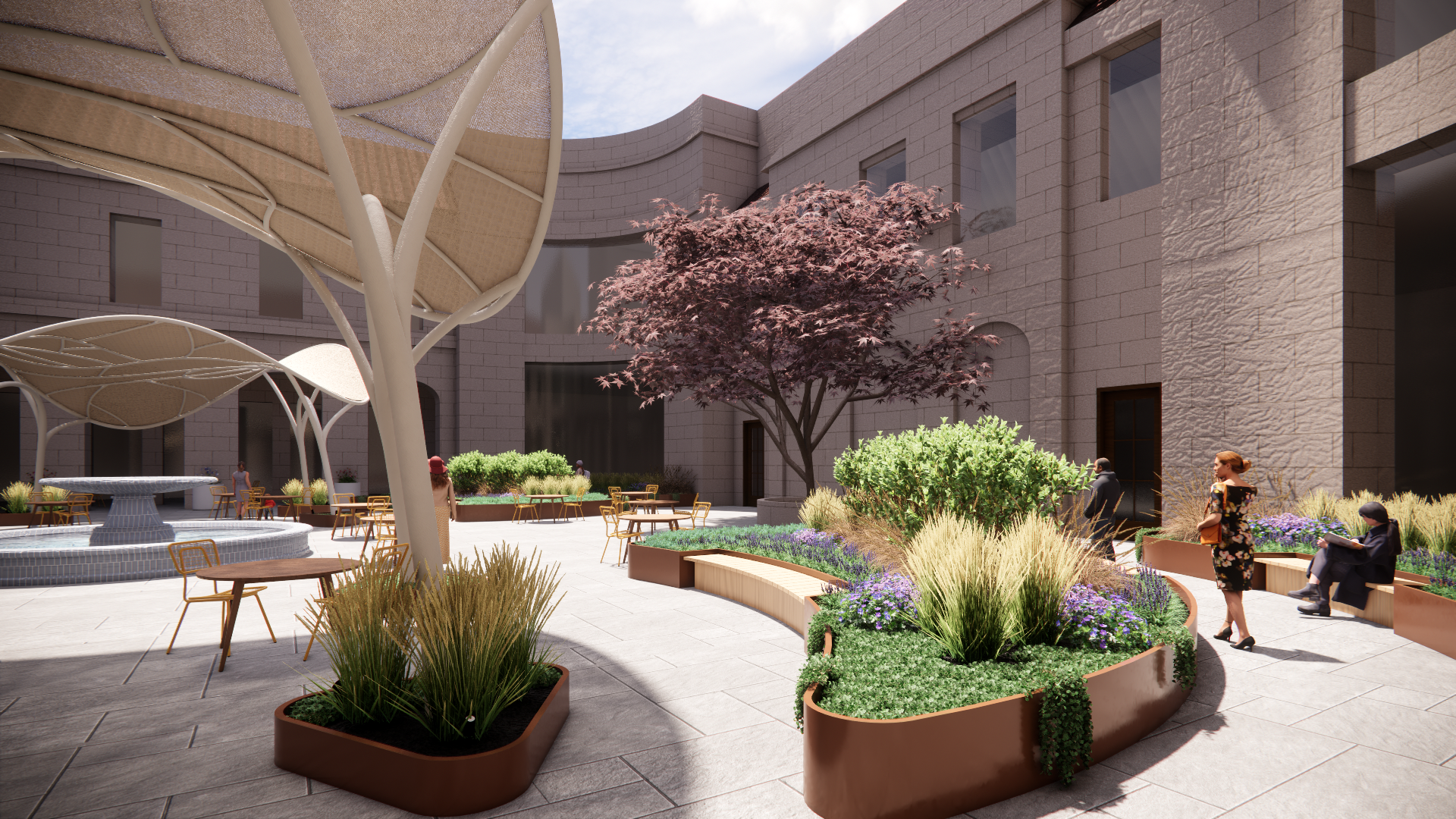
Immersive Material Office’s Endless Canopy at Nashville Public Library courtyard
Our answer lies in material intelligence and spatial storytelling. By combining sculptural design, architectural thinking, and advanced fabrication, IMO builds environments that invite interaction rather than passive observation.
These spaces often act as hybrids:
As artworks, they spark curiosity and conversation.
As architecture, they frame movement and define atmosphere.
As experiences, they encourage emotional and social connection.
Whether through layered soundscapes, dynamic lighting, or tactile surfaces that change with temperature or touch, IMO creates environments that respond. The result is a form of architecture that feels alive—one that leaves visitors saying not just “That’s beautiful,” but “I need to come back.”
Placemaking in a Digitally Saturated World
In today’s world, where most experiences unfold behind glass screens, the value of place has only grown. Digital engagement is fast and ephemeral; physical engagement is slower and more meaningful.
As we scroll endlessly through content, physical places that reconnect us to the senses become anchors in our daily lives. The smell of wood in a gallery, the echo of footsteps under a sculptural canopy, or the way sunlight passes through textured glass—these are the details that remind us we are here, present, and part of something larger.
This is why placemaking is not just a design trend—it’s an antidote to digital fatigue. It offers authenticity, tactility, and memory in a landscape dominated by pixels. For brands and institutions, investing in placemaking means investing in long-term relevance. It means creating cultural gravity in a world that forgets quickly.
Over time, great placemaking does more than enhance a single site—it elevates its surroundings. A well-crafted plaza can revitalize urban energy. A thoughtfully designed pavilion can reshape how a neighborhood sees itself. A responsive art piece in a public courtyard can spark community ownership and dialogue.
In this way, placemaking functions as social architecture. It builds relationships, not just structures. It gives people new reasons to gather, collaborate, and celebrate. For IMO, this is perhaps the most powerful dimension of placemaking: it turns design into a civic gesture, one that strengthens the cultural and emotional fabric of a city.
The Future of Placemaking
The future of design lies in experiences that engage all the senses and tell stories that matter. As cities evolve and boundaries between art, architecture, and technology blur, placemaking will become the defining practice that connects people to built environments in new ways.
Our work seeks not only to create beautiful structures but to transform environments into meaning systems—living spaces that respond to both human emotion and cultural context. Because in the end, placemaking isn’t about decoration. It’s about connection. It’s about giving space gravity, voice, and soul. That’s what makes a city truly come alive—places that make people want to stay.